Brands
New Watches 2026

Top Brands

  • Patek Philippe
  • Richard Mille
  • F.P.Journe
  • Jaeger-LeCoultre
  • IWC Schaffhausen
  • Nomos Glashütte
  • Ulysse Nardin
  • Frederique Constant
  • MB&F
  • Hermès
  • Urwerk
  • Rolex
  • Nomos Glashütte
  • Arnold & Son
  • Louis Moinet
  • Panerai
  • Czapek
  • Trilobe
  • De Bethune
  • Doxa
  • Delma
  • Titoni
View All Brands

Categories

  • All Watches
  • Men's Watches / Women's Watches
  • Automatic Watches / Quartz Watches
  • Classic Watches
  • Sporty Watches
  • Chronographs
  • Diving Watches
  • Pilot Watches
View All Watches

Price

  • Under $1,000
  • $1,000 to $5,000
  • $5,000 to $10,000
  • $10,000 to $20,000
  • $20,000+
Highlights
Highlights
Features
Features
People and Places
People and Places
Top 10s
Top 10s
Watch Anatomy
Watch Anatomy
Purchasing a Watch
Purchasing a Watch
Taking Care of Your Watch
Vintage and Pre-owned

About

  • About Us
  • Contact Us
  • Watch Finder
  • Log in

Legal

  • Terms & Conditions
  • Privacy Policy
  • Cookie Policy

Stay Ahead of the Watch Game

Sign up for our newsletter and be the first to discover the hottest watch releases, popular stories and special offers.

Trustpilot Reviews - ExcellentTrustpilot Reviews - Excellent
© 2026 The Watch Pages SA

Watch Anatomy

Rolex Cosmograph Daytona
Watch Anatomy

What is the Difference Between a Chronograph and a Chronometer?

A chronometer is NOT a chronograph, but a chronograph CAN BE a chronometer. Confusing right? Well, let’s start by defining the terms.

Why Do Clocks and Watches Use the Roman Numeral IIII Instead of IV?
Watch Anatomy

Why Do Clocks and Watches Use the Roman Numeral IIII Instead of IV?

Have you ever noticed that in almost all clocks and watches with Roman numerals on the dial, the number IV, which is the most acceptable form for 4 o’clock, isn’t referred to that way? Here’s why.

Jaeger-LeCoultre Reverso One Precious Flowers - Hibiscus Enamel
Watch Anatomy

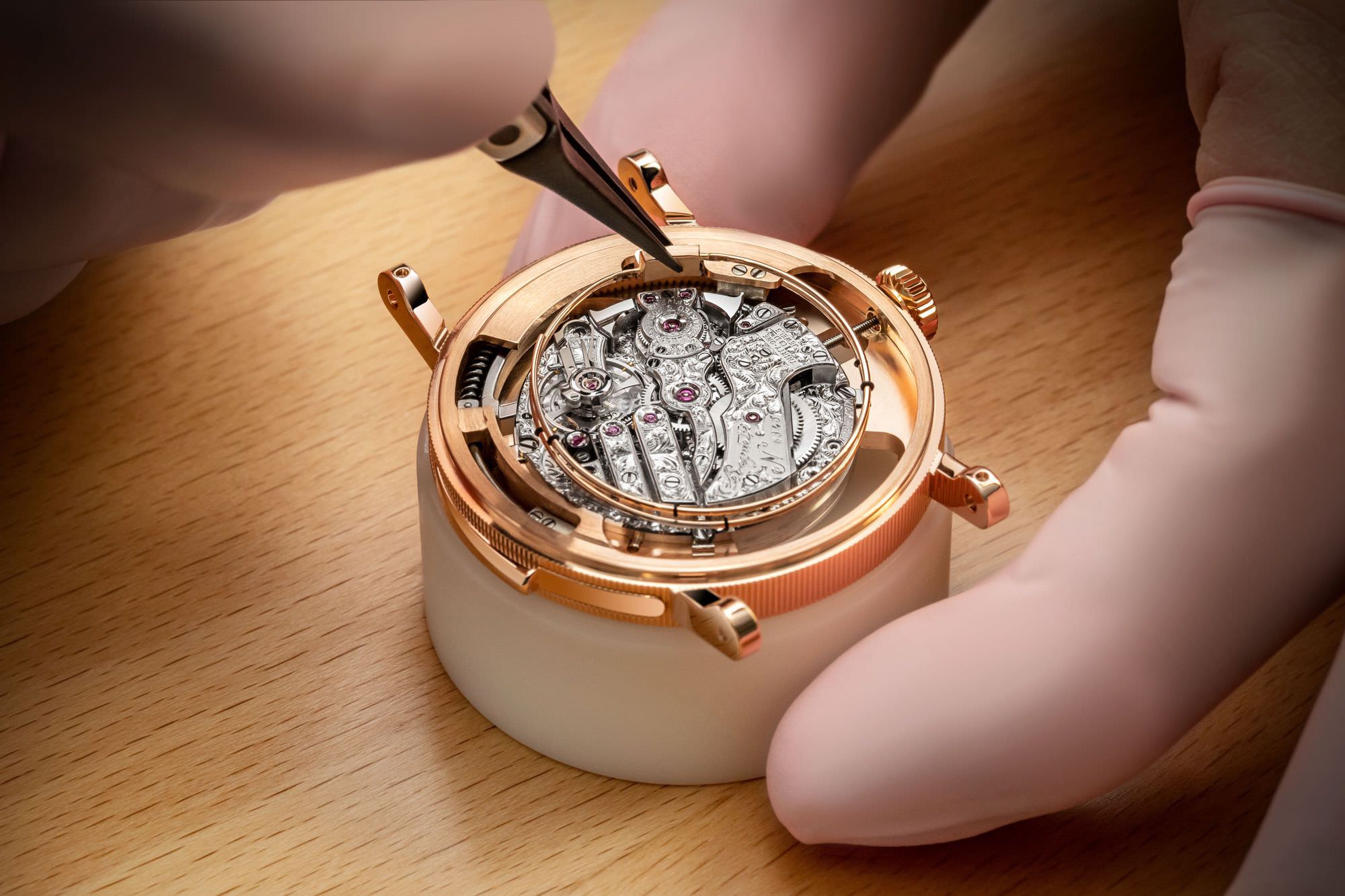
Understanding Métiers d’Arts Techniques in Watchmaking

It’s time to take a closer look at some of the wonderful Métiers d’Arts techniques employed by watch brands, from gem-setting, enameling, hand-painting, marquetry and engraving.

The 10 most popular watch complications
Watch Anatomy

The 10 Most Popular Watch Complications Explained

Watchmaking may well be the only place in the world where a complication is a coveted thing.

Watch Anatomy Know the LingoTAG Heuer Monaco Gulf Special Edition
Watch Anatomy

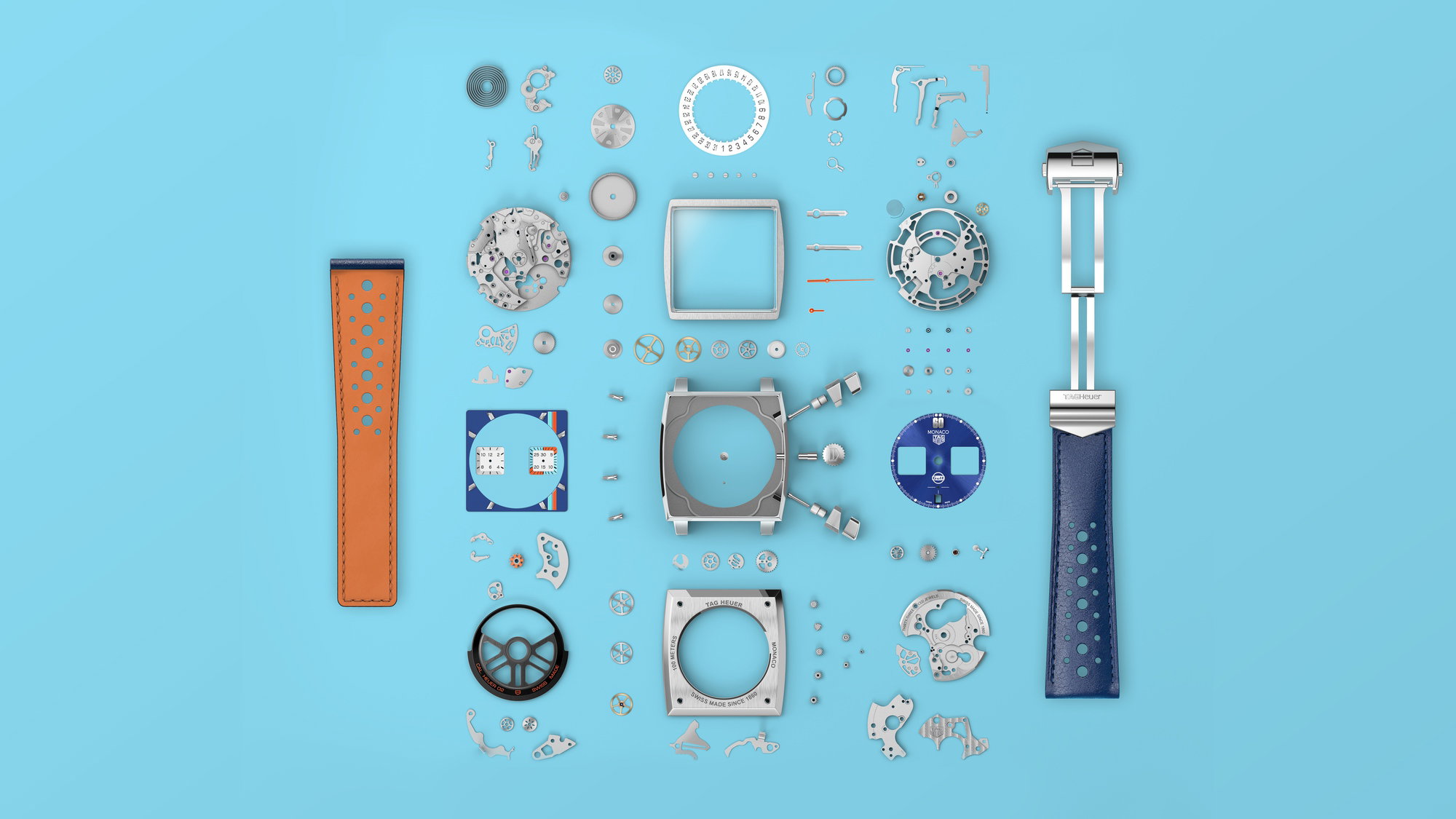
Watch Anatomy – Know the Lingo

To manufacture a luxury watch a number of parts are designed, created, and assembled by a team of watchmakers. Each watch will look different but the basic anatomy remains the same.

Watch Movements - What Makes a Watch Work
Watch Anatomy

Watch Movements – What Makes a Watch Work

A watch movement is what makes a watch work. Manual and automatic movements are mechanical while quartz movements have an electrical circuit and require a battery to run.

IWC Big Pilot's Watch Constant-Force Tourbillon "IWC Racing*
Watch Anatomy

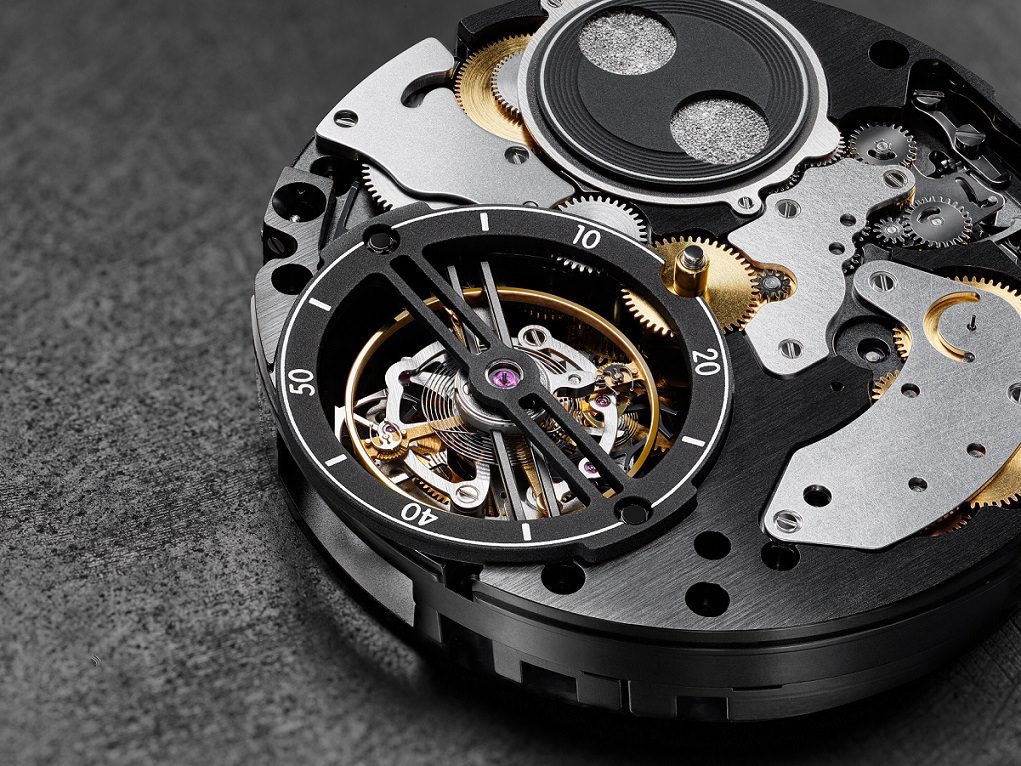
Watch Complications and Functions

A complication in a watch is any feature that does more than simply show the time. Complications range from very simple such as a date, to highly complicated ones that take years to master and create.

Jaquet Droz Petite Heure Minute Dragon John Howe
Watch Anatomy

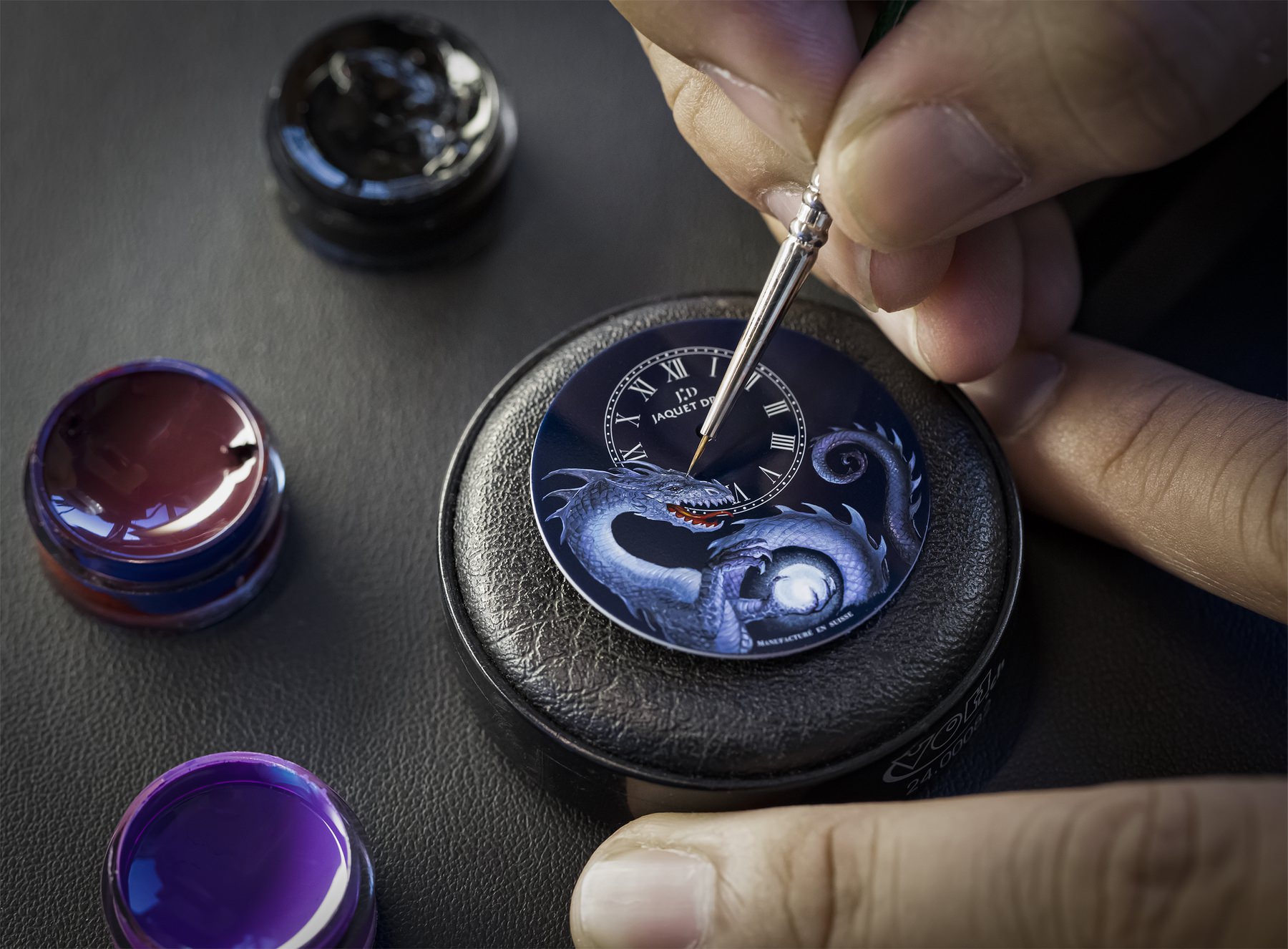
Watch Finishings and Decorative Techniques

Today there are numerous different decorative techniques when it comes to the dial or other parts of the watch, from quite common ones like Mother-of-Pearl or satin-brushed to the old art of paillonnée enameling.

What is a Chronograph and how does it work?
Watch Anatomy

What is a Chronograph and How Does It Work?

What is a Chronograph? In its simplest form, a chronograph is a stopwatch. But the making of one, and of its different variations, is another story.

Titoni - Making an in-house watch movement
Watch Anatomy

What Does it Take to Make an In-House Mechanical Watch Movement?

What does it really take to make your own in-house mechanical watch movement? The Watch Pages went to the source to find out with Michel Pauli, the mastermind behind Titoni’s first-ever self-developed manufacture movement, the T10.