
TUDOR
1926
$3,890
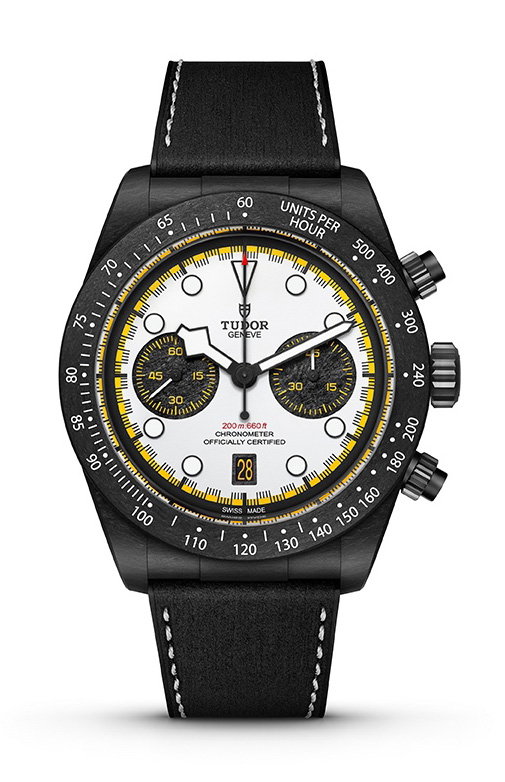
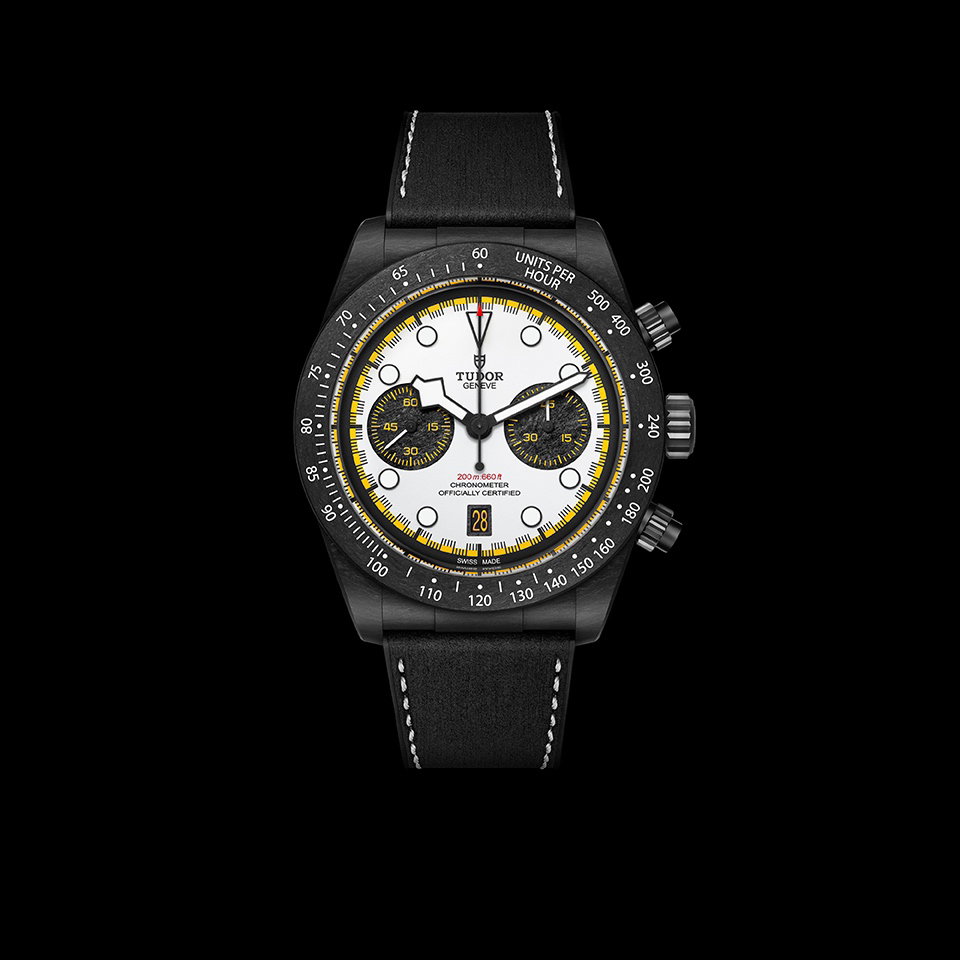
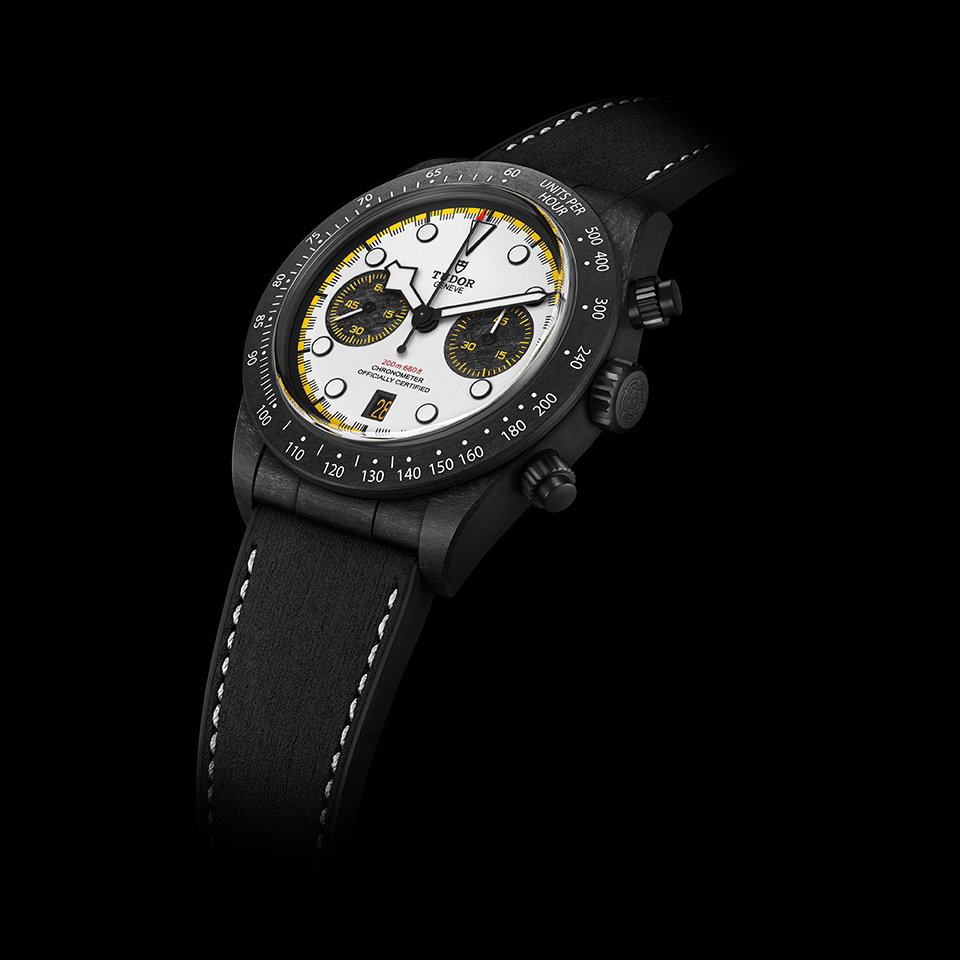
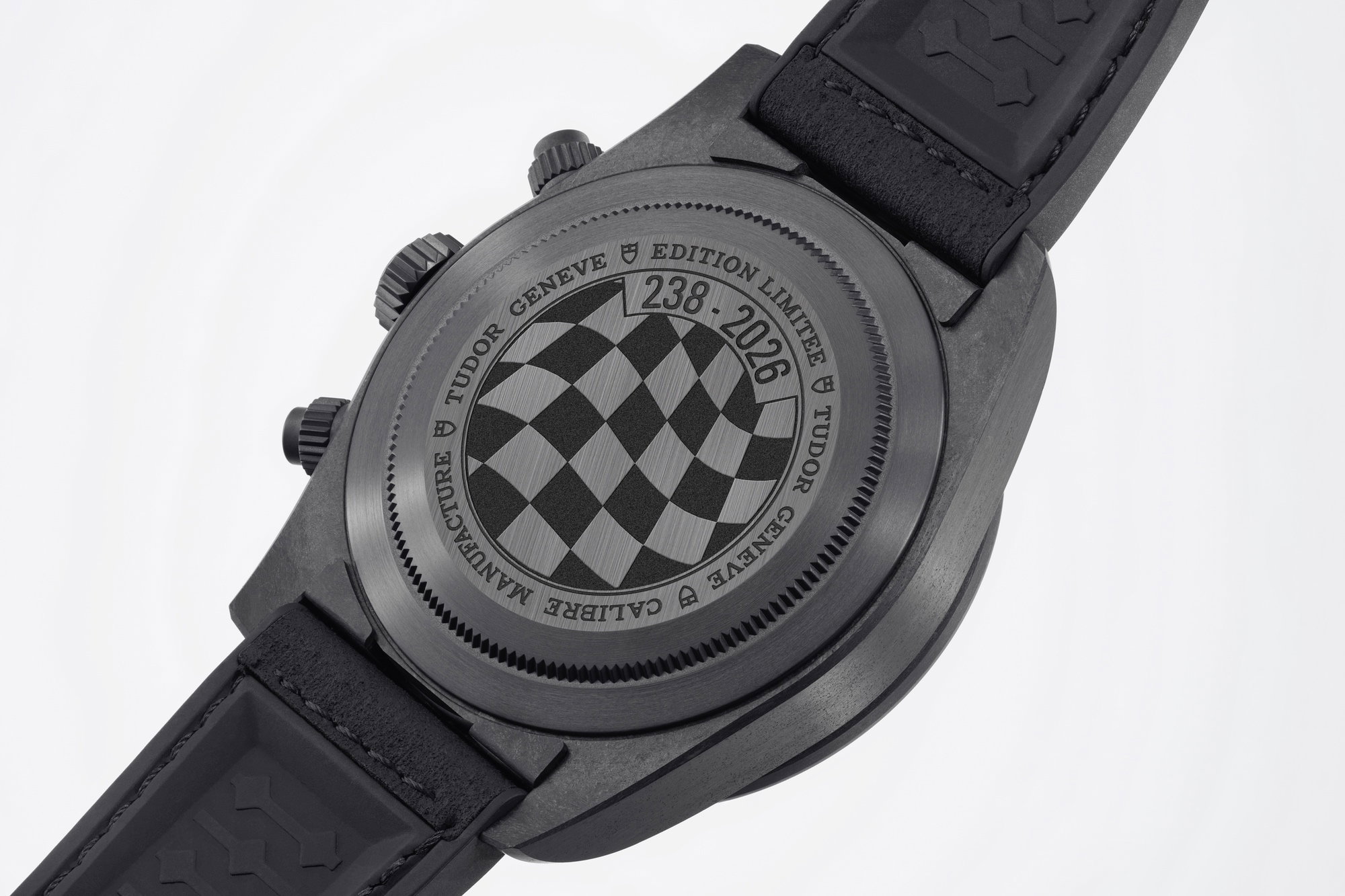
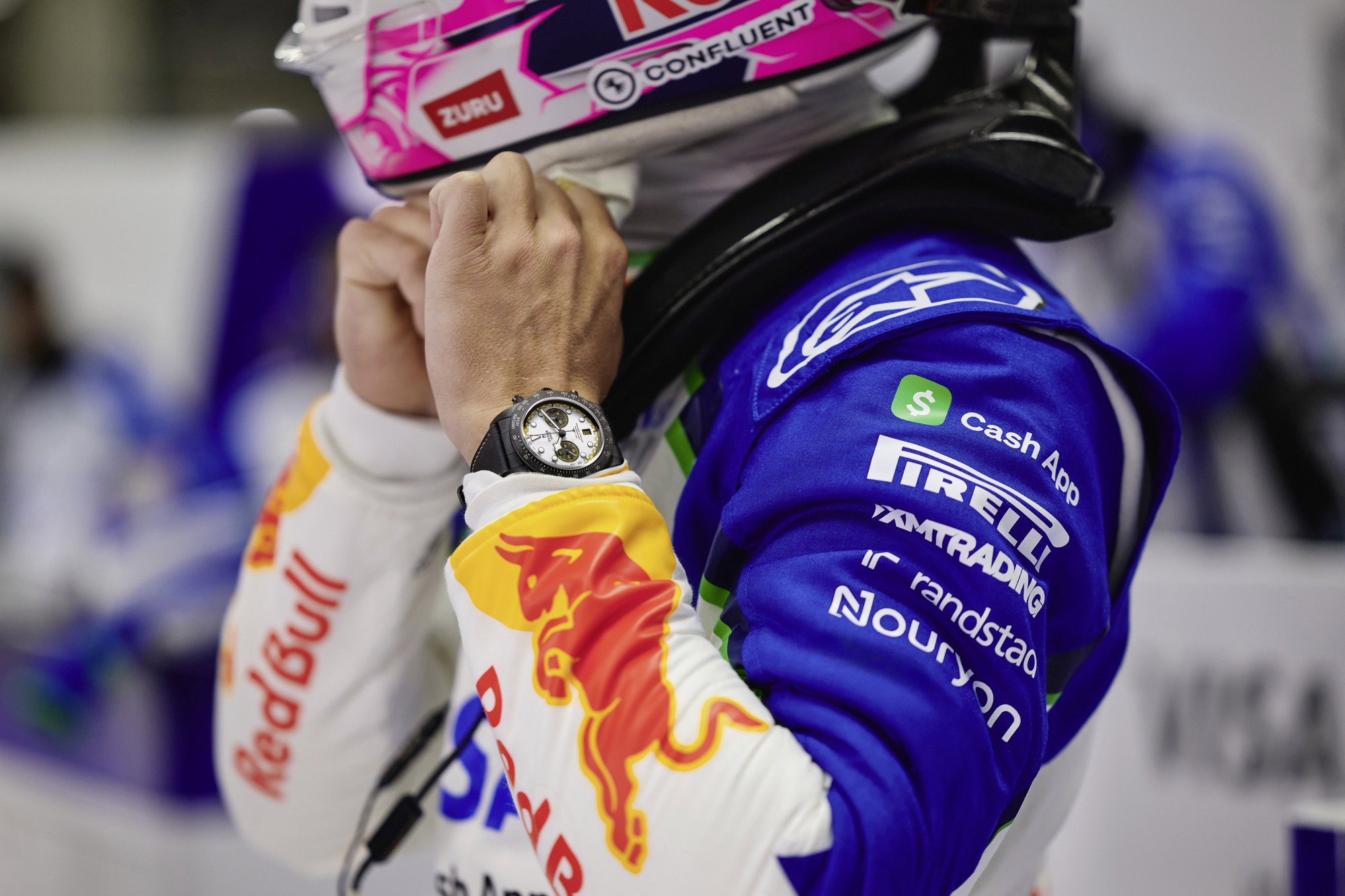

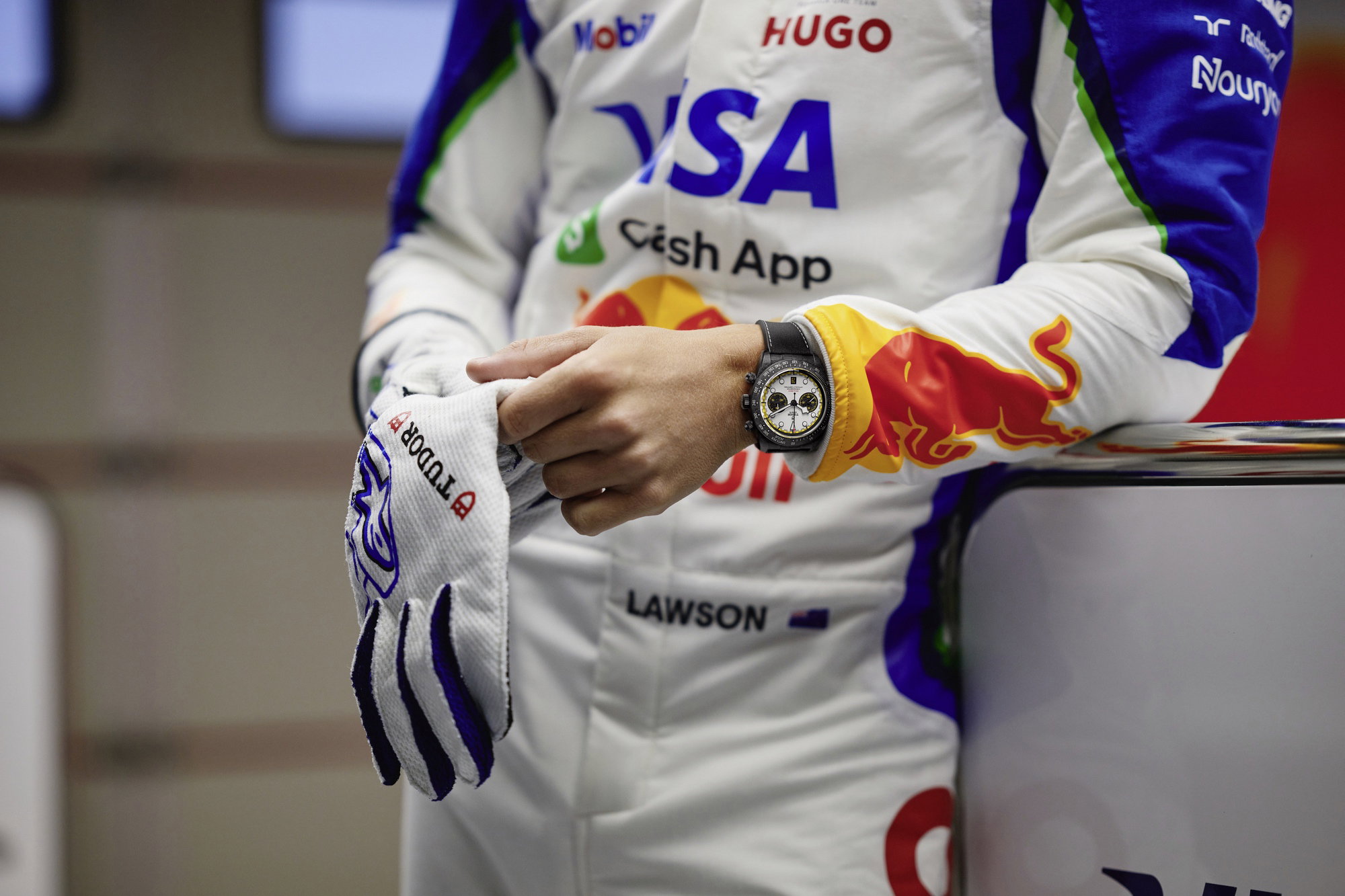
Limited edition of 2026 pieces
Inspired by the livery of the 2025 Visa Cash App Racing Bulls car VCARB 02.
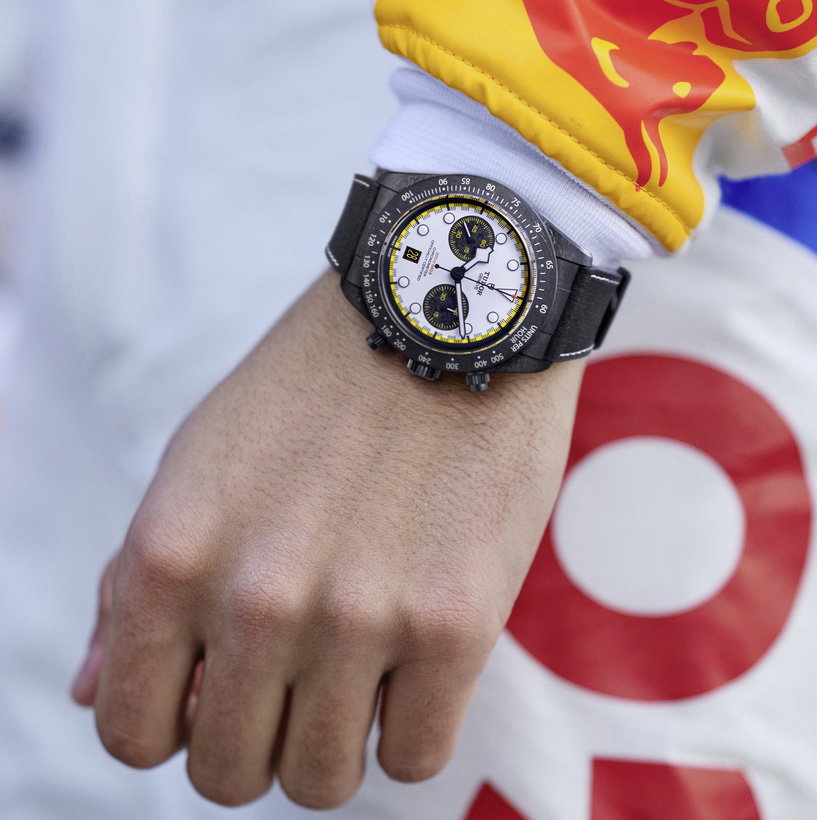
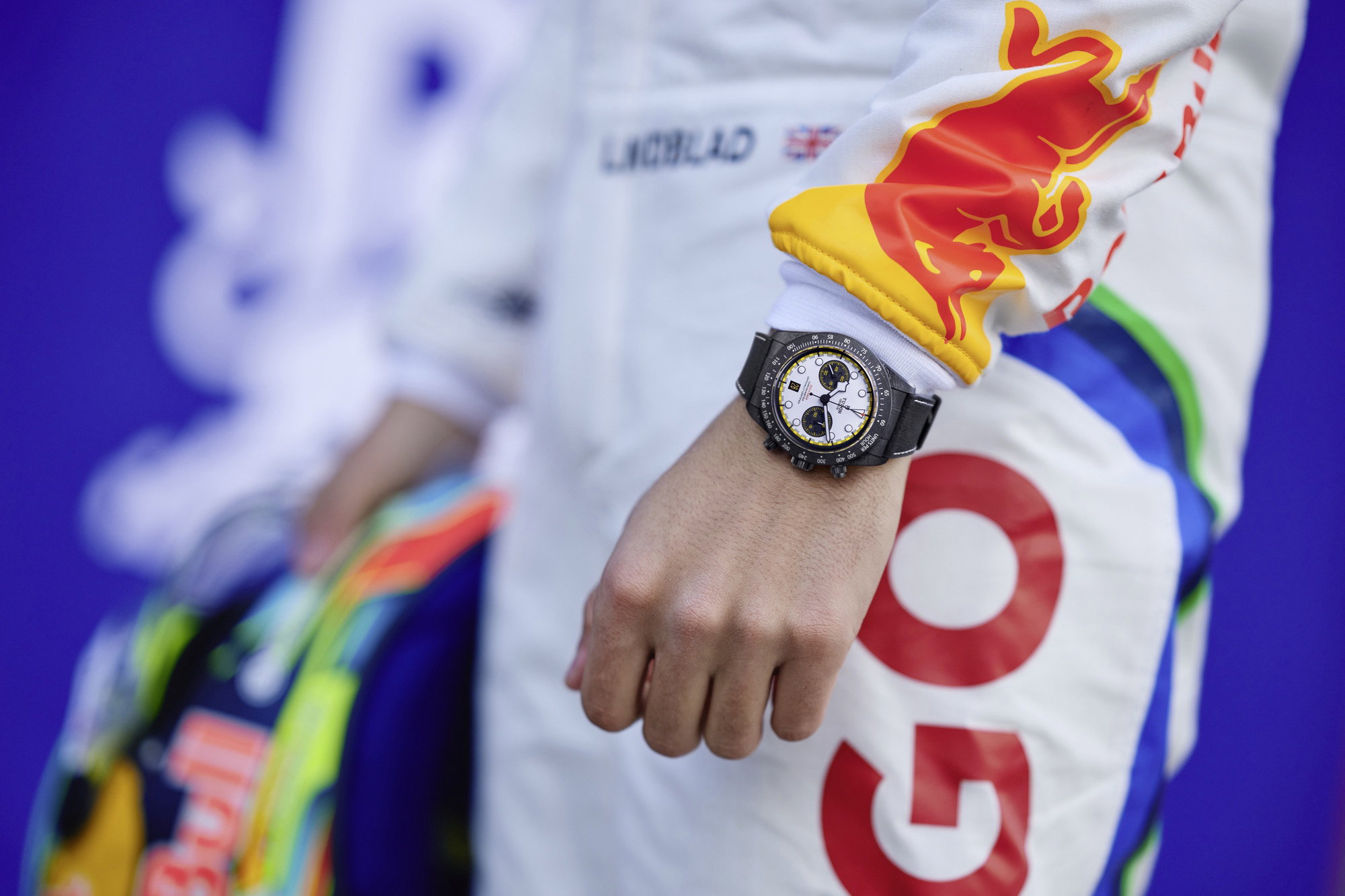
There’s a particular kind of continuity that runs through watchmaking history, the kind where you can actually draw a line from a 1960s Porsche 906 campaigned in Japan by drivers wearing Tudor watches on their wrists, all the way to 2026 and Liam Lawson and Arvid Lindblad strapping on the Black Bay Chrono “Carbon 26” before heading to the grid. That line is real, and Tudor has been careful to maintain it.
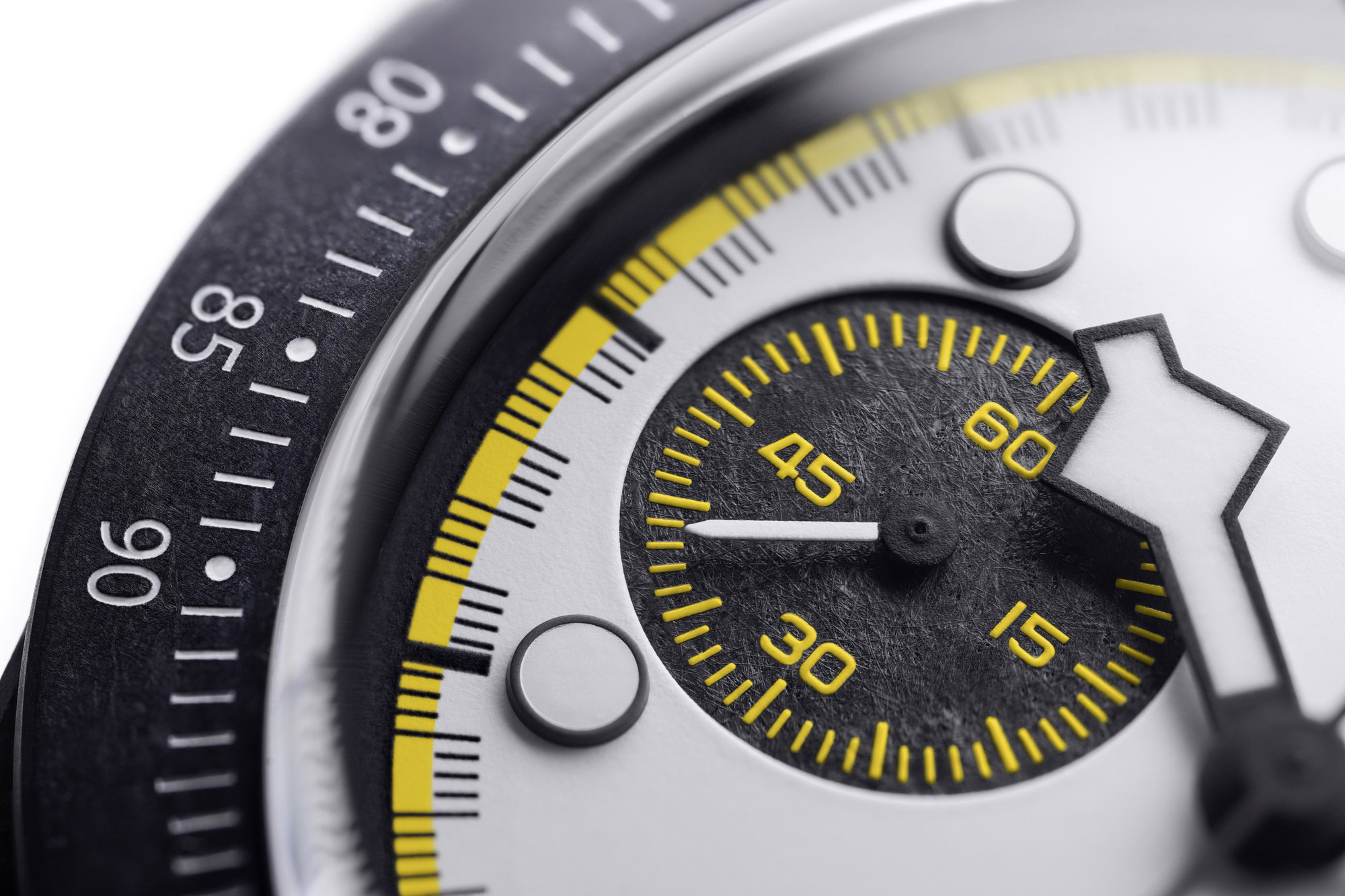
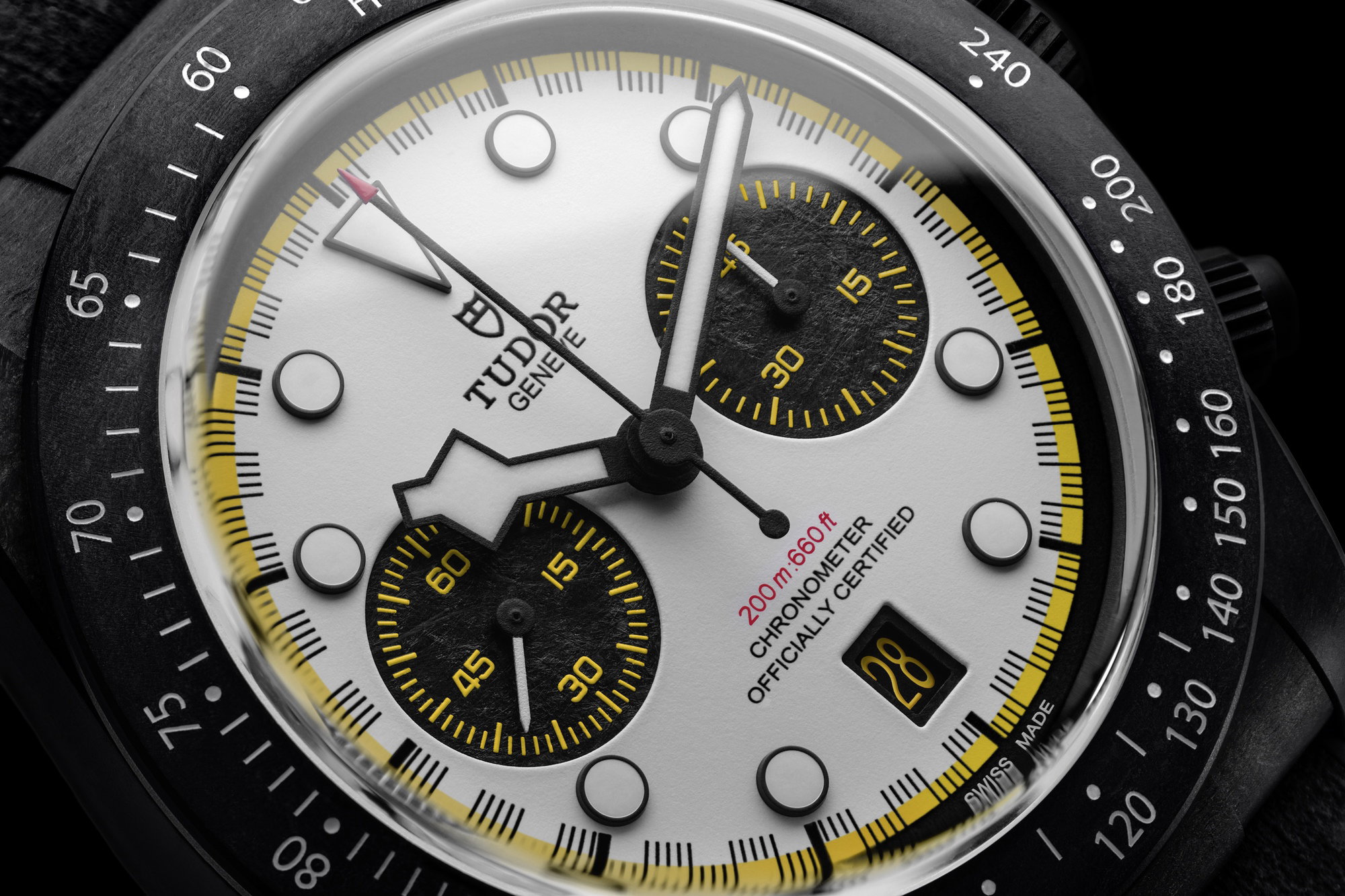
The “Carbon 26” is the successor to last year’s “Carbon 25,” which was built around the visual language of the VCARB 02. This year the car has changed, the VCARB 03 brings a new livery, and with it comes a new watch. The fundamentals remain: 42mm carbon fibre case, fixed carbon bezel with tachymetric scale, carbon fibre end-links on the hybrid strap, even the sub-counter rings and date surround are rendered in carbon thanks to a clever layered dial construction alternating brass and carbon fibre sheets. Less weight, more speed, the logic of motorsport applied to horology with unusual sincerity.
What’s new is the yellow. A stripe of it on the VCARB 03’s engine cowling has migrated to the dial, and it gives the “Carbon 26” a kind of high-visibility urgency that feels entirely right for something timing fractions of seconds. Under the dial, the MT5813, a COSC-certified manufacture chronograph calibre with silicon balance spring, column wheel, vertical clutch, and 70-hour power reserve, holds Tudor to a tighter standard than COSC requires: -2/+4 seconds per day on the assembled watch, versus COSC’s -4/+6. That matters. In F1, time separates champions from also-rans. Tudor knows this better than most. 2,026 examples, individually numbered. One for each year in an ongoing story that started on a Japanese circuit in the 1960s.


Join 20,000+ collectors getting instant alerts Get notified of every new launch!
Join 20,000+ collectors getting instant alerts